
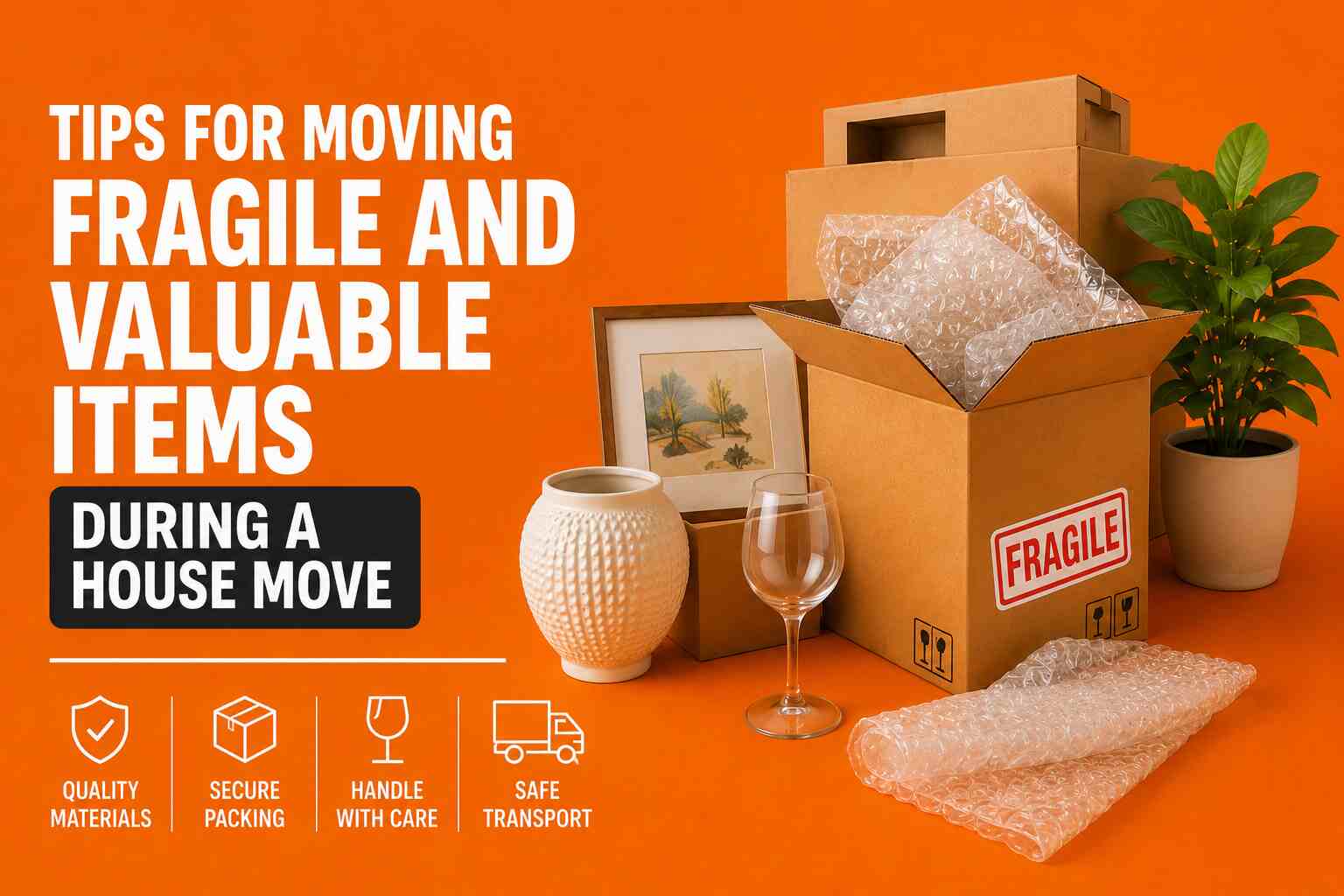
How do you protect your most delicate belongings during a stressful house move when everything is being packed, lifted, and transported at once? A house move is already overwhelming, but when fragile items like glassware, electronics, or heirlooms are involved, the pressure increases significantly. Without the right planning, even a small mistake can lead to costly or emotional loss.
The reality is that most damage doesn’t happen on the road; it happens during packing. That’s why understanding proper packing fragile items techniques and using the right moving materials is essential for a safe relocation. Many homeowners underestimate how much preparation delicate items actually require.
In this guide, you’ll learn practical, step-by-step methods for moving breakables safely, along with expert-backed strategies used by professional house movers like Yak and Yeti Movers to ensure every valuable item reaches your new home intact.
Understanding the Risks During a House Move
During a house move, fragile and valuable items are exposed to multiple risks such as vibration, sudden movement, poor stacking, and incorrect handling. Items like glass décor, artwork, antiques, and electronics are especially vulnerable.
Common risks include:
- Improper cushioning inside boxes
- Overstacking heavy items on fragile ones
- Weak or reused boxes collapsing under pressure
- Lack of labeling leading to rough handling
For a complete house moving preparation guide, you can also read: Home Movers Guide 2026: How to Move Your House Stress-Free
Essential Packing Supplies for Fragile and Valuable Items- House Move
Using the right moving packing materials can make a huge difference when protecting fragile and valuable belongings during a house move. Poor-quality boxes or insufficient padding often lead to cracks, scratches, or breakage during transport. Investing in reliable packing supplies helps keep your items secure from the moment they are packed until they reach your new home safely.
Here are some essential packing materials you should always have during a move:
- Heavy-duty cardboard boxes provide strong support for fragile items and help prevent boxes from collapsing under pressure during a house move. Small and medium-sized boxes are especially useful for safely carrying delicate belongings.
- Bubble wrap and foam sheets create a protective cushioning layer around fragile items and help absorb shocks, vibrations, and impact during transportation.
- Packing paper is ideal for wrapping glassware, dishes, and decorative items safely while preventing scratches and avoiding ink stains that newspapers can leave behind.
- Strong packing tape keeps moving boxes securely sealed and prevents them from opening or weakening while being lifted, stacked, or transported.
- Moving blankets provide extra protection for large fragile items such as mirrors, televisions, artwork, and furniture by reducing the risk of scratches, cracks, and surface damage.
- Stretch wrap helps secure drawers and loose parts, protects furniture surfaces, and prevents items from shifting inside the moving truck during transit.
Professional movers like Yak & Yeti Movers use layered packing methods and high-quality materials to ensure fragile and valuable belongings stay protected throughout the entire house move.
Step-by-Step Tips for Packing Fragile Items and Valuable Items Safely During a Home Move
Proper planning and careful packing techniques can significantly reduce the risk of damage during a house move. Following the right steps helps keep fragile and valuable belongings secure throughout transportation.
1. Start by Separating Everything That Needs Extra Care
Before a single box is opened, fragile and valuable items should be identified and grouped separately. This includes glassware, ceramics, electronics, décor pieces, antiques, and sentimental belongings. This step creates clarity and prevents rushed decisions later during packing.
2. Wrap Every Item as if It Has to Survive a Fall
Each item should be wrapped individually using bubble wrap or thick packing paper. The goal is not just coverage, it is complete shock absorption. Multiple layers ensure that even if a box is moved roughly, the item inside remains stable and protected.
3. Build Cushioning Inside the Box, Not Just Around the Item
A common mistake during a house move is focusing only on wrapping the item. The inside of the box is equally important. Filling empty spaces with crumpled paper or foam prevents movement, which is one of the biggest causes of breakage.
4. Keep Similar Items Together
Grouping similar items helps maintain balance and reduces pressure points. Plates should stay with plates, glass with glass, and electronics with electronics. Mixing heavy and delicate items increases the chance of internal damage.
5. Label Everything Clearly and Boldly
Labels should be easy to read and specific. Instead of just writing “Kitchen,” it should clearly mention “Fragile Glassware – Handle with Care – This Side Up.” Clear labeling helps movers understand priority handling during loading and unloading.
6. Keep Your Most Valuable Items With You
Certain belongings should never be placed in the moving truck. Items like passports, jewelry, important documents, cash, and personal electronics should always stay in your personal bag for complete security and peace of mind.
For more professional packing techniques used during a house move, you can also refer to: What Professional Movers Do Differently When Packing Fragile Items
Common Mistakes That Cause Damage During House Move
Many fragile and valuable items get damaged during a house move because of small but avoidable packing mistakes. Understanding these common errors can help you protect your belongings more effectively during relocation.
- Using weak or reused boxes: Old or low-quality boxes often lose their strength over time and may collapse under pressure during lifting or stacking. Fragile items packed inside weak boxes are more likely to get crushed or damaged during transport.
- Skipping protective wrapping layers: Many people use minimal wrapping to save time, but insufficient cushioning leaves delicate items exposed to impact and vibrations. Without proper bubble wrap, foam, or packing paper, fragile belongings can crack or scratch easily.
- Overloading boxes beyond safe weight: Packing too many items into one box makes it difficult to carry safely and increases the chances of the box breaking from the bottom. Heavy boxes can also crush delicate items packed underneath them.
- Poor or missing labeling: Boxes without proper labels are often handled like regular moving boxes. Clear labels such as “Fragile” or “This Side Up” help movers understand which items need extra care during loading and unloading.
- Mixing heavy and fragile items: Combining fragile belongings with heavier objects creates uneven pressure inside the box. During movement, heavier items can shift and damage delicate items packed alongside them.
- Rushing packing at the last minute: Last-minute packing often leads to poor organization, weak wrapping, and missed protective steps. When packing is rushed, fragile items are more likely to be packed carelessly and damaged during the move.
Even small shortcuts during packing can result in broken valuables, damaged electronics, or costly replacements during a house move.
Why Professional House Movers Make a Difference?
Handling fragile items during a house move is not just about strength; it’s about technique, timing, and experience. Professional movers understand how weight shifts inside boxes, how pressure builds during stacking, and how to protect items from both visible and invisible damage.
They know how to position boxes inside the truck so that fragile items remain stable throughout the journey. They also understand how to use padding strategically, not randomly, ensuring every corner and surface is protected.
Why Yak & Yeti Movers Are a Trusted Choice for a Safe and Stress-Free House Move?
A house move becomes much easier when you have experienced professional house movers handling the process. Yak and Yeti Movers understand that every item in your home matters, especially fragile belongings like glassware, electronics, artwork, and valuable furniture. Their team focuses on careful handling and organized moving practices to help protect your belongings throughout the move.
From packing and wrapping to loading and transportation, their movers use reliable packing materials and proven safety techniques to reduce the risk of damage. Whether you need help with packing fragile items or complete packing and unpacking support, they work to make the moving process smooth, safe, and less stressful for homeowners.
Conclusion
A successful house move is not just about transporting boxes and furniture; it’s about protecting valuable belongings, delicate items, and personal memories that matter most. With the right approach to packing fragile items, proper moving packing materials, and careful handling techniques, you can greatly reduce the chances of damage during relocation.
Working with experienced professional house movers like Yak and Yeti Movers helps make the entire moving process smoother, safer, and more organized from beginning to end. Their expertise in handling fragile and valuable items gives homeowners greater confidence and peace of mind throughout every stage of the house move.
FAQs
1. What is the safest way to pack fragile items during a house move?
Wrap each item individually, use proper cushioning, and avoid empty spaces inside boxes.
2. Should I hire professional house movers for fragile items?
Yes, professional movers like Yak and Yeti Movers reduce damage risk with expert packing techniques.
3. What items should I keep with me during a move?
Jewelry, documents, cash, passports, and personal electronics should stay with you.
4. How early should I start packing fragile items?
Start at least 5–7 days before moving to avoid rushed packing mistakes.
5. Can moving packing materials really prevent damage?
Yes, high-quality materials like bubble wrap and sturdy boxes significantly reduce breakage risks.