
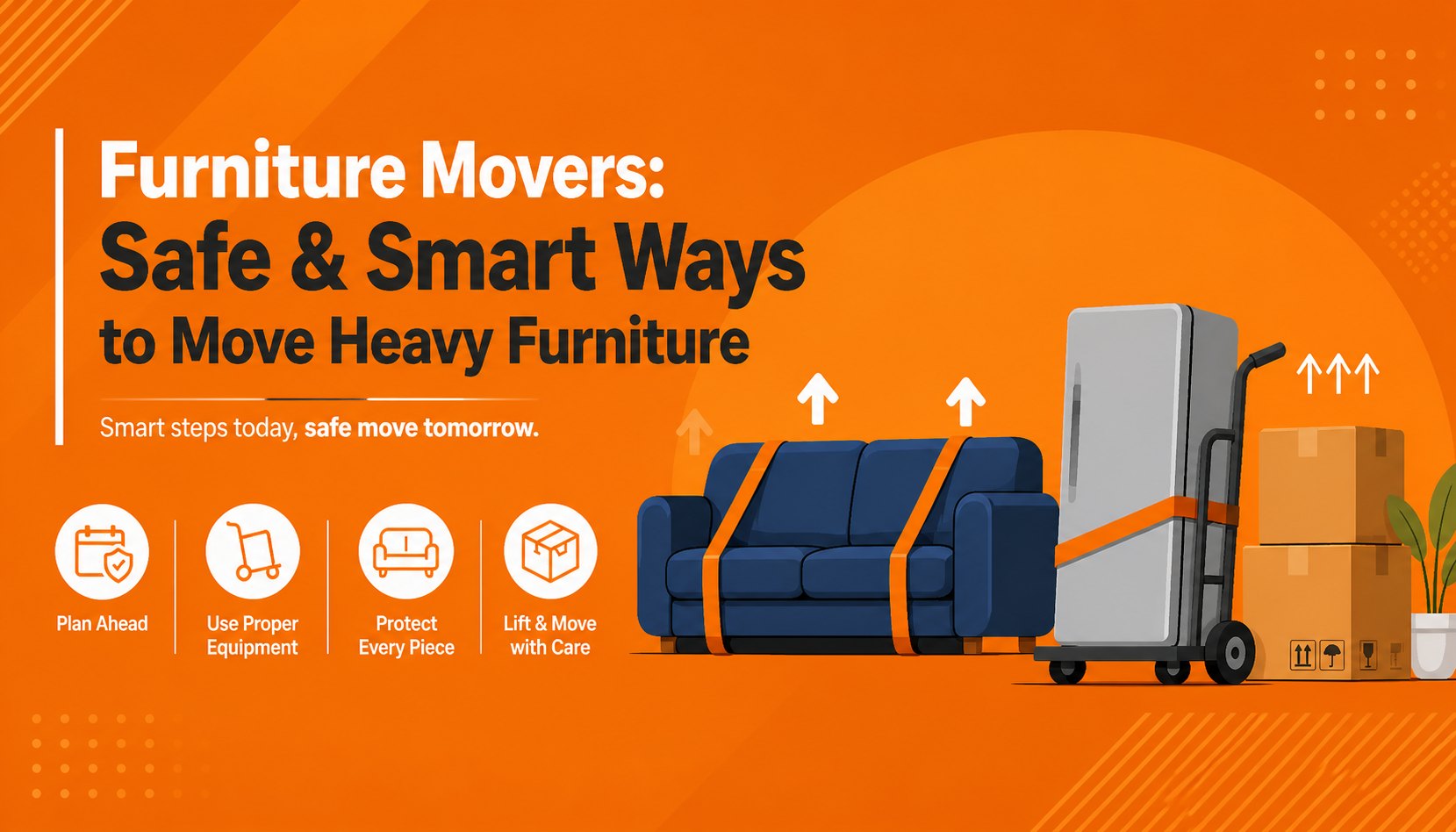
Moving heavy furniture is one of the most challenging parts of any relocation. Whether you are moving a home, apartment, or office, the process requires planning, strength, and the right techniques. This is where furniture movers play a crucial role in ensuring everything is transported safely without damage or injury. Understanding the correct approach can save time, money, and unnecessary stress.
If you are wondering how to move heavy furniture, the key is not just physical effort but smart preparation. Many people make the mistake of lifting without proper tools or planning, which leads to broken furniture, damaged floors, or even injuries. Professional support from experienced furniture moving companies can make a significant difference, especially when handling bulky items like sofas, wardrobes, and beds.
In this guide, we will break down safe and practical methods for moving heavy furniture, step-by-step techniques, common mistakes to avoid, and how professional movers simplify the entire process. Whether you are doing it yourself or hiring experts like Yak and Yeti Movers, this guide will help you move smarter and safer.
Step-by-Step Guide: How to Move Heavy Furniture Safely?
To move heavy furniture safely, plan the route, measure doorways, use furniture sliders or dollies, disassemble large items, lift with your legs, and work with a partner whenever possible. For bulky or valuable furniture, hiring professional furniture movers is the safest option.
Follow these structured steps to understand how to move heavy furniture efficiently:
1. Planning Before Moving Furniture
Before you start lifting anything, planning is the most important step in moving furniture safely. Measure the size of each furniture item and compare it with doorways, hallways, and staircases. This helps you avoid situations where furniture gets stuck halfway or cannot pass through tight spaces during the move.
A moving checklist makes the process more organized and reduces confusion. Include key tasks such as measuring furniture, clearing pathways, gathering necessary tools, and protecting delicate parts. Proper planning helps prevent last-minute problems and forms the base of safe moving of heavy furniture.
2. Essential Tools for Moving Heavy Furniture
Using the right tools makes a major difference when handling bulky or heavy items. Professional furniture movers always depend on equipment instead of strength alone. Tools like sliders, straps, dollies, and protective wraps help control weight, reduce friction, and protect furniture surfaces.
Furniture sliders make it easier to move items across floors, while straps help distribute weight evenly between movers. Dollies support heavy loads like wardrobes and cabinets, and protective wraps reduce the risk of scratches or damage. Without these tools, even simple movements can become difficult and unsafe.
3. How to Disassemble Large Furniture
Disassembling large furniture before moving makes transportation easier and safer. Items like beds, tables, sofas, and cabinets should be broken down where possible to reduce weight and size. This helps in moving them through narrow spaces and reduces the risk of damage during handling.
It is also important to keep all small parts organized. Screws, bolts, and fittings should be stored in labeled bags so nothing gets lost. This step is commonly followed by furniture moving companies because it saves time and makes reassembly much easier after relocation.
4. Safe Lifting Techniques for Furniture Movers
Safe lifting techniques are essential to prevent injuries while moving heavy furniture. Always keep your back straight, bend your knees instead of your waist, and use your legs to lift the weight. Heavy items should never be handled alone; teamwork is important for balance and control.
Avoid twisting your body while carrying furniture, as this increases the risk of strain or injury. Move slowly and communicate clearly with your partner during lifting. Professional furniture movers follow these techniques to ensure safety and smooth handling of all items.
5. Moving Heavy Furniture Through Stairs and Tight Spaces
Stairs and narrow spaces are often the most difficult parts of the moving process. To manage corners, use pivot techniques by tilting furniture vertically or horizontally, depending on available space. Small angle adjustments can help avoid getting stuck or causing damage.
For doorways and tight corners, remove doors if needed and use padding on sharp edges for protection. Instead of rushing, move step by step with proper coordination. Understanding how to move heavy furniture through tight areas helps reduce scratches, damage, and unnecessary stress during the move.
How Professional Furniture Movers Make the Process Easier
Hiring experts is often the safest option when dealing with large or valuable items. Here is:
Skilled handling of heavy items
Professional furniture movers are trained to handle heavy and bulky items with proper technique. They know how to lift, balance, and carry furniture in a way that prevents damage to both the items and the surrounding space. Their experience helps them manage difficult moves like large sofas, wardrobes, and fragile furniture without risk.
They also understand weight distribution and correct movement angles. This allows them to move items smoothly through narrow passages, stairs, and tight corners while maintaining control and safety throughout the process.
Damage prevention techniques
To protect furniture during shifting, professionals use proper safety materials and methods. Floor protectors are placed to avoid scratches, corner guards protect sharp edges, and heavy-duty wrapping materials keep surfaces safe from dents and dust during transport.
These steps reduce the chances of damage at every stage of the move. With the right protection in place, furniture stays secure even during long-distance or complex relocations.
Time-saving advantages
Hiring professional movers significantly reduces the time required for relocation. Tasks that may take an entire day or more when done alone can often be completed within a few hours by an experienced team.
This is especially helpful during full house moves where multiple items need to be handled quickly and safely. Their efficiency allows the entire process to move forward smoothly without unnecessary delays.
Common Mistakes to Avoid When Moving Heavy Furniture
Avoiding mistakes is just as important as following correct steps:
Not measuring doorways
One of the most common mistakes during a move is skipping the measurement of doorways, hallways, and staircases. When furniture size is not compared with available space, it often gets stuck halfway or cannot pass through narrow areas, causing delays and damage.
This simple step is often ignored, but it plays a key role in safely moving heavy furniture. Proper measurements help you plan the movement path and avoid unnecessary struggles during relocation.
Lifting without equipment
Trying to move heavy furniture without proper tools is a major risk. Without dollies, straps, or sliders, the weight is harder to control, which increases the chances of injury and damage to both the furniture and the surrounding area.
Using basic equipment helps distribute weight and makes lifting more stable. Skipping these tools is a common mistake when people attempt to move heavy furniture on their own without professional support.
Poor packing and wrapping
Improper packing is another issue that leads to damage during transport. Furniture that is not wrapped or protected can easily get scratched, dented, or broken while being moved or loaded.
Using proper wrapping materials helps keep surfaces safe and reduces impact during handling. This step is often overlooked in DIY moves, which is why damage is more common without professional preparation.
Why Choose Yak and Yeti Movers for Furniture Moving Services?
Choosing the right moving team has a direct impact on how smooth and safe your relocation will be. Yak and Yeti Movers offer reliable furniture movers for both local and home shifting needs, focusing on careful handling of every item from start to finish.
Their team also provides professional packing and transport services using proper materials and secure loading methods. This helps protect furniture throughout the entire moving process, reducing the risk of scratches, dents, or other damage.
Every move is handled based on specific requirements. Services are customized according to home size, type of furniture, and distance, ensuring a practical and efficient approach for each relocation.
Conclusion
Moving heavy furniture requires more than strength; it requires planning, technique, and the right support. Understanding how to move heavy furniture safely helps prevent injuries and damage while making the process smoother.
However, when the task becomes too complex or time-consuming, hiring professional furniture moving companies like Yak and Yeti Movers is the most reliable solution. Their expertise ensures safe handling, efficient transport, and complete peace of mind during relocation.
If you are planning a move, choosing professionals is the smartest way to ensure everything arrives safely and on time.
FAQs
1. What is the safest way to move heavy furniture?
The safest way is to use proper equipment like dollies, straps, and sliders while maintaining correct lifting posture and teamwork. Professional furniture movers are recommended for very heavy items.
2. How to move heavy furniture without damaging floors?
Use furniture sliders or thick blankets under furniture legs. This reduces friction and prevents scratches on floors during movement.
3. Do I need professional furniture movers for home shifting?
Yes, especially for large or valuable items. Furniture movers reduce the risk of injury and damage while saving time during relocation.
4. What tools are needed for moving heavy furniture?
Essential tools include moving straps, dollies, sliders, protective wraps, and lifting gloves. These tools make moving heavy furniture safer and easier.
5. How do furniture moving companies help in relocation?
Furniture moving companies handle packing, lifting, loading, transport, and unloading. They use professional techniques to ensure safe and efficient relocation.