
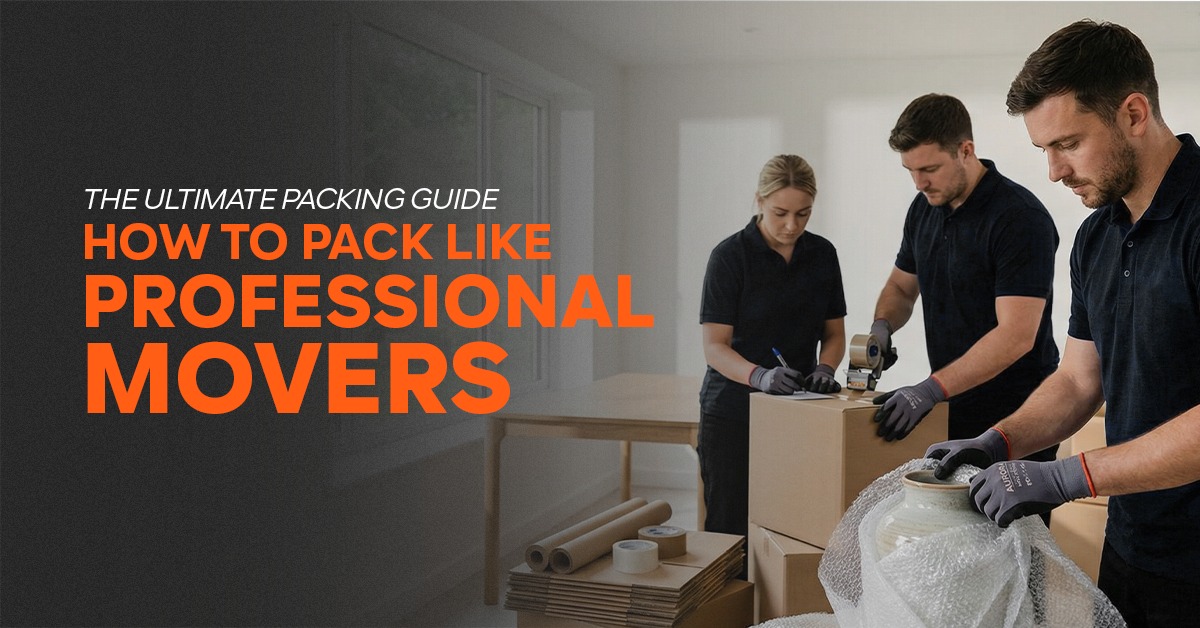
Packing is one of the most time-consuming and stressful parts of moving. Many people underestimate how much organization and planning it requires until moving day arrives. According to industry estimates, the average household uses 60–90 boxes during a move, and improper packing is one of the leading causes of damaged belongings during relocation. Poorly packed boxes can shift during transportation, break fragile items, and make unpacking chaotic.
Professional movers approach packing very differently. They follow proven systems, use the right materials, and pack strategically to protect items and make loading and unloading efficient. This is why experienced moving companies like Yak & Yeti Movers focus heavily on proper packing techniques to ensure every move is smooth and stress-free.
If you want to reduce stress and protect your belongings, learning how to pack like a professional mover is essential. In this guide, we’ll share practical packing tips for moving, explain the materials professionals use, and walk you through a step-by-step strategy to pack your home efficiently just like professional movers do.
How to Pack Like a Professional Mover?
To pack like a professional movers, these simple but effective packing tips can make a huge difference in protecting your belongings and simplifying unpacking:
1. Start Packing Early and Create a Plan
One of the biggest mistakes people make is waiting until the last minute to pack. Professional movers recommend starting at least 3–4 weeks before your move so you can pack gradually without rushing. Early preparation gives you time to organize your belongings properly and avoid the stress of packing everything in a single day.
Start by creating a simple packing plan and working through your home room by room. Begin with items you rarely use, such as seasonal clothing, decorations, and storage items. This approach keeps daily essentials accessible while steadily reducing the number of items left to pack.
If you want to avoid common relocation issues, reviewing common moving mistakes and how to avoid them can also provide helpful guidance before your move.
2. Declutter Before You Pack
Professional movers rarely pack items that are no longer useful. Decluttering before packing helps reduce the number of boxes and makes the entire move more efficient. It also prevents unnecessary items from taking up space in your new home.
A practical way to declutter is by sorting belongings into three categories: keep, donate, or dispose. This simple method helps you make quick decisions while packing. Studies show that decluttering before moving can reduce the total moving volume by 20–30%, saving both time and money. More importantly, it allows you to start fresh in your new space with only the items you truly need.
3. Use the Right Packing Materials
Using the correct materials is one of the most important packing tips for moving. Professional movers rely on durable supplies to ensure items stay protected during loading, transport, and unloading. Weak boxes or low-quality packing materials can collapse or tear easily, increasing the risk of damage.
Essential packing supplies include sturdy moving boxes, bubble wrap, packing paper, packing tape, furniture blankets, and mattress covers. These materials help cushion fragile items and prevent scratches on furniture. Investing in proper supplies can make a major difference in protecting your belongings throughout the moving process.
4. Pack One Room at a Time
Packing one room at a time keeps the process organized and manageable. Professional movers often follow this method because it prevents items from getting mixed together and makes unpacking easier later.
When packing room by room, label boxes clearly with the room name and a short description of the contents. For example, you might label boxes as “Kitchen – Utensils,” “Kitchen – Fragile Glassware,” “Bedroom – Clothes,” or “Living Room – Electronics.” This system helps movers place each box in the correct room when unloading, which saves time and reduces confusion during unpacking.
5. Protect Fragile Items Properly
Fragile belongings such as glassware, dishes, and electronics require extra care during packing. Professional movers use specific techniques to minimize movement inside the box and prevent breakage.
Each fragile item should be wrapped individually with packing paper or bubble wrap. After placing the items in the box, fill any empty space with padding materials like packing paper, towels, or clothing. This prevents items from shifting while in transit. It is also important to clearly label these boxes with “FRAGILE” and “THIS SIDE UP.” Movers place fragile boxes on top of heavier items during loading to avoid unnecessary pressure.
6. Pack Heavy Items in Small Boxes
Professional movers often use smaller boxes for heavy items to make lifting safer and easier. Large boxes filled with heavy objects can become difficult to carry and may even break during transport.
Items such as books, tools, and small appliances should be packed in smaller boxes. Larger boxes should be reserved for lightweight items like bedding, pillows, and clothing. This approach helps keep the weight of each box manageable and reduces the risk of injury while moving.
7. Don’t Overpack Boxes
One of the most important packing tips for moving is maintaining balanced boxes. A well-packed box should generally weigh no more than 40–50 pounds. Overpacking makes boxes harder to lift and increases the chance of them breaking during loading.
Professional movers carefully balance the weight of each box by combining heavier and lighter items when necessary. This technique keeps boxes stable and protects the belongings inside from unnecessary pressure or damage.
8. Label Every Box Clearly
Clear labeling is essential for an organized move. Professional movers rely on detailed labeling systems so boxes can be quickly identified and placed in the correct rooms.
Each box should include the room name, a brief description of the contents, and a fragile label if necessary. For example, labels like “Kitchen – Pots and Pans” or “Bedroom – Winter Clothes” make it easier to locate specific items later. Some movers also use color-coded labels to speed up the unloading process and keep everything organized.
9. Disassemble Furniture When Possible
Large furniture pieces can be difficult to move when fully assembled. Professional movers often disassemble items such as bed frames, dining tables, and shelving units to make transportation easier and safer.
When taking furniture apart, store screws, bolts, and small parts in labeled plastic bags. Attaching these bags to the furniture ensures that nothing gets lost during the move. This simple step makes reassembling furniture much easier once you arrive at your new home.
10. Prepare an Essentials Box
Professional movers recommend preparing a first-day essentials box that contains items you will need immediately after arriving at your new home. This prevents you from searching through multiple boxes at the end of a long moving day.
An essentials box should include phone chargers, important documents, toiletries, medications, snacks, and a change of clothes. Keeping these items accessible ensures you can settle in comfortably while the rest of your belongings remain packed.
11. Use Eco-Friendly Packing Methods
Sustainable packing practices are becoming more common in modern moving services. Instead of relying entirely on bubble wrap, many people choose environmentally friendly alternatives that still provide protection for their belongings. Simple options include using towels or blankets as padding, reusing old boxes, or choosing reusable moving bins. These methods reduce waste while still protecting your items during the move.
You can also explore more sustainable relocation ideas in the guide on eco-friendly moving sustainable practices and tips, which explains practical ways to make your move more environmentally responsible.
When to Hire Professional Packers
While DIY packing can work for smaller moves, hiring professional packers can make the process faster, safer, and more organized in certain situations. Professional packing services are especially useful for large households, long-distance moves, fragile belongings, or tight moving schedules. When you have many items to pack or a limited time before moving day, experienced packers can handle the process efficiently and reduce the risk of damage.
Professional movers are trained to use proper packing techniques, quality materials, and organized labeling systems to keep items secure during transportation. Their experience helps protect fragile items and ensures boxes are packed correctly for loading and unloading. Many moving companies, including Yak & Yeti Movers, provide packing and moving services designed to simplify relocation and improve overall safety. If you want to understand how professional movers manage long-distance relocations and choose the right company, you can also explore this helpful guide.
Conclusion
Packing does not have to feel overwhelming when you follow a clear plan and use the right materials. A well-organized approach helps protect your belongings and makes the entire moving process more efficient. By applying practical packing tips for moving, such as starting early, using sturdy packing supplies, and organizing items by room, you can significantly reduce stress during relocation.
Learning how to pack like a professional mover mainly comes down to preparation and attention to detail. Decluttering before packing, labeling boxes clearly, and protecting fragile items properly all help ensure your belongings remain safe during transport. Keeping an essentials box ready also makes the first day in your new home easier. If you want to simplify the process even further, working with experienced movers like Yak & Yeti Movers can be a smart option. Professional teams have the tools and expertise to pack efficiently, protect valuable items, and make your move smoother from start to finish.
FAQs
1. What is the best way to pack like a professional mover?
The best way to pack like a professional mover is to start early, use strong packing materials, wrap fragile items individually, label boxes clearly, and pack room by room for better organization.
2. What are the most important packing tips for moving?
The most important packing tips include decluttering before packing, using sturdy boxes, protecting fragile items, avoiding overpacking boxes, and labeling everything clearly.
3. How early should I start packing for a move?
You should start packing at least 3–4 weeks before moving day. Begin with non-essential items and gradually pack everyday items as the moving date approaches.
4. How do professional movers pack fragile items?
Professional movers wrap each fragile item individually with packing paper or bubble wrap, place padding inside boxes, and label boxes as fragile to prevent damage during transport.
5. Should I hire professional packing services?
Hiring professional packing services is recommended if you have fragile items, a large home, or limited time. Professional movers can pack efficiently and ensure items remain protected during transportation.